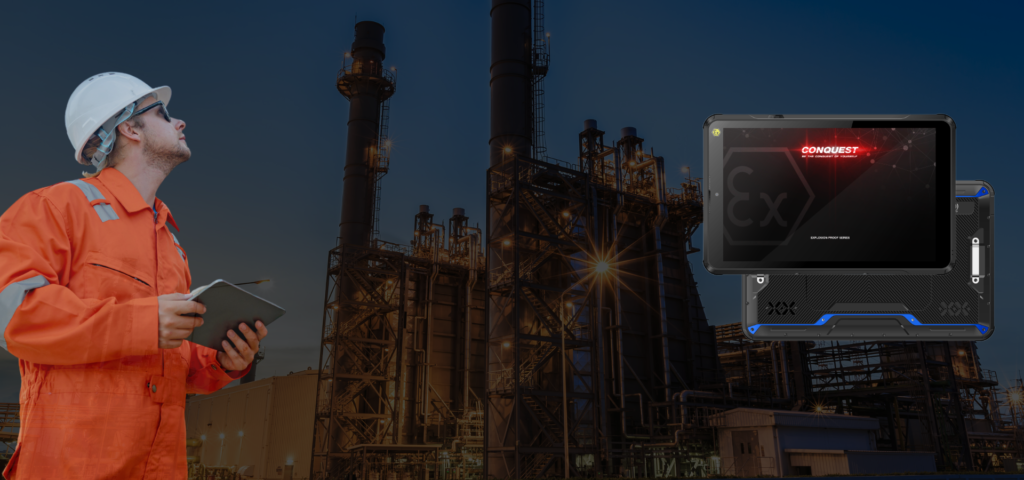

In hazardous environments, safety is of the utmost importance. One crucial technology designed to enhance safety in such areas is the intrinsically safe barrier. These devices limit electrical energy to safe levels, preventing potential ignition of flammable substances and ensuring operational safety. Whether you’re working in a chemical plant, oil refinery, or mining site, understanding how intrinsically safe barriers work and their applications is essential for minimizing the risk of accidents.
This article provides an in-depth look at intrinsically safe barriers, their components, how they function, and the industries where they are most beneficial. If you’re looking for more information on rugged devices for harsh environments, check out our rugged devices.
An intrinsically safe barrier is a safety device designed to limit the electrical energy supplied to equipment in hazardous areas. The goal of these barriers is to prevent any electrical spark or ignition that could trigger an explosion or fire in environments with flammable gases or vapors. Unlike explosion-proof systems, which contain or isolate sparks within devices, intrinsically safe barriers focus on restricting electrical energy to prevent it from reaching unsafe levels.
The technology behind intrinsically safe barriers ensures that any electrical equipment connected to hazardous zones operates at energy levels too low to cause ignition. By meeting international standards such as ATEX and IECEx, these devices ensure compliance with safety regulations and help protect both personnel and assets in dangerous environments.
Intrinsically safe barriers operate by limiting the amount of electrical energy flowing through a circuit to levels that are incapable of causing ignition in a potentially explosive atmosphere. The core principle behind their operation revolves around energy control.
Together, these components ensure that electrical circuits do not exceed energy thresholds that could potentially ignite gases or vapors in hazardous zones.
There are different types of intrinsically safe barriers, each designed for specific applications. Understanding the differences can help in selecting the appropriate system for your needs.
These two main types of intrinsically safe barriers each offer distinct benefits depending on the nature of the application and the level of safety required. For more on power-intensive applications, consider learning about thermal imaging smartphones designed for hazardous environments.
Intrinsically safe barriers are widely used across various industries where hazardous environments are present. Here are some of the main applications:
These industries, among others, benefit greatly from intrinsically safe barriers, ensuring that electrical systems and devices do not pose a risk to personnel or the surrounding environment.
An effective intrinsically safe barrier system requires several key components working in tandem to ensure the safety of electrical devices in hazardous environments. These components include:
Each component plays a crucial role in ensuring that the intrinsically safe barrier system remains functional and effective in preventing dangerous situations in hazardous environments
The benefits of using intrinsically safe barriers in industrial applications are numerous. Some of the key advantages include:
These advantages make intrinsically safe barriers a practical and reliable choice for industries working in hazardous areas.
Proper installation and regular maintenance are critical for ensuring the continued safety and effectiveness of intrinsically safe barriers.
By following these best practices, you can ensure that your intrinsically safe barrier system operates effectively and safely over its lifespan.
When selecting a supplier for intrinsically safe barriers, it’s important to choose a partner with a proven track record. Look for companies that offer:
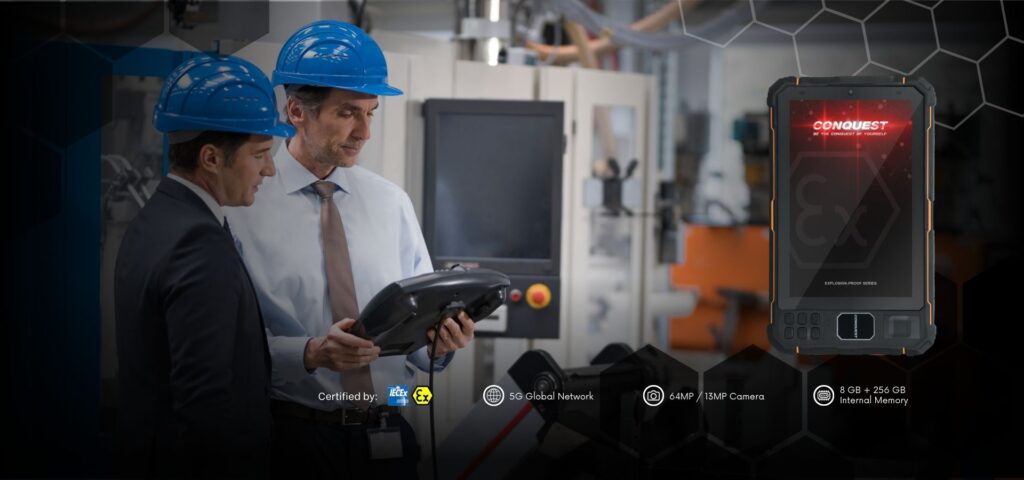
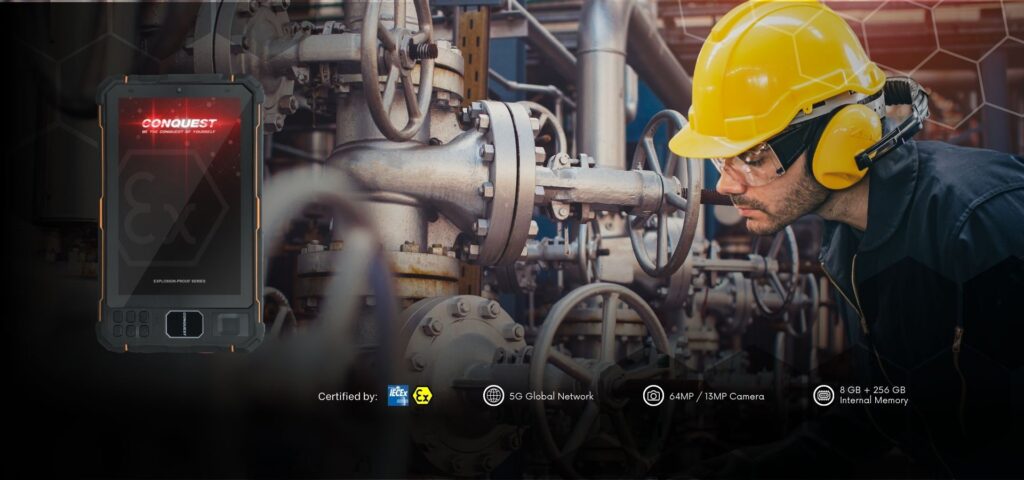
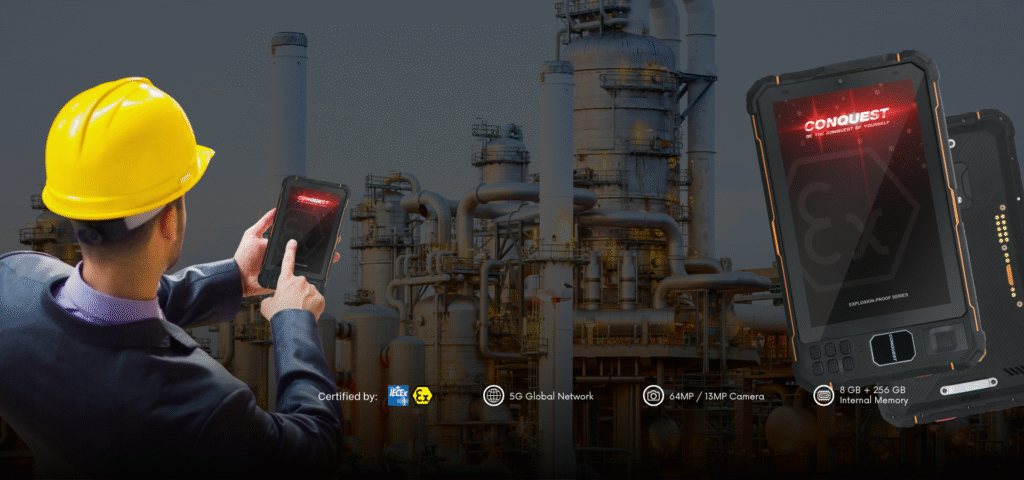
Conquest offers ATEX & IECEx-certified solutions, ensuring your operations meet the highest safety standards. Whether you need rugged devices for the oil and gas industry or reliable solutions for chemical plants, Conquest’s products like the EX101 are engineered for harsh environments.
The purpose of an intrinsically safe barrier is to limit the electrical energy supplied to devices in hazardous environments, preventing sparks and ignition that could lead to fires or explosions.
Look for certifications such as ATEX or IECEx. These certifications indicate that the barrier has been tested and approved for use in explosive or hazardous environments.
Not all electrical devices are compatible with intrinsically safe barriers. Devices must be intrinsically safe or designed to work with the barrier system.
An intrinsically safe barrier prevents ignition by limiting energy, whereas an explosion-proof system contains sparks within a device. Both are used for safety, but they function differently.
While intrinsically safe barriers can have higher upfront costs, they tend to be more cost-effective in the long run due to reduced maintenance and easier inspections.
Industries such as chemical manufacturing, oil and gas, and mining use intrinsically safe barriers to protect equipment and personnel from hazardous electrical faults in explosive environments.
Yes, intrinsically safe barriers can be used in wet or damp environments, but you should ensure that the barrier is rated for such conditions.
Intrinsically safe barriers should be inspected regularly, typically on an annual basis, or more frequently depending on the level of exposure to harsh conditions.
Conquest
replies in a minute
Any question related to conquest product
WhatsApp Us
🟢 Online | Privacy policy
WhatsApp us