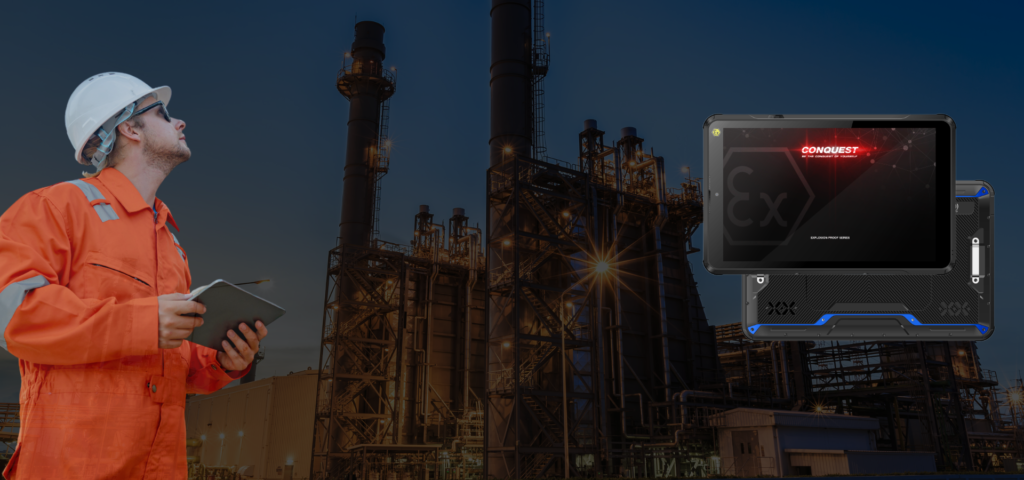

Intrinsically safe equipment is a critical component of safety protocols in industries where hazardous conditions exist, such as oil and gas, chemical plants, and mining. These environments are often filled with explosive gases, dust, or vapors, and any equipment that could generate a spark or heat could potentially lead to a catastrophic accident. Therefore, intrinsically safe equipment is specially designed to prevent ignition, even under the most dangerous conditions. In this guide, we will explore the importance of intrinsically safe equipment, the standards that govern its use, and how to select the right equipment for your operations.
In the following sections, we will dive deeper into the different types of intrinsically safe equipment, certifications, industries that rely on it, and its significant benefits.
Intrinsically safe equipment is designed to ensure safety in hazardous environments by limiting the energy and electrical output to a level that cannot cause ignition. These devices are manufactured to eliminate the risk of sparks, heat, or any other energy release that could trigger an explosion in environments where explosive gases or dust are present. The key to the success of intrinsically safe equipment is that it is incapable of igniting a flammable substance, no matter what malfunction or abnormal condition may occur.
For example, in hazardous areas where volatile gases like methane or propane are present, an intrinsically safe device such as a mobile phone or flashlight is designed to emit less heat and energy than would be needed to ignite these gases. This significantly reduces the risk of accidents in environments such as chemical plants, refineries, and underground mines.
To ensure that intrinsically safe equipment performs effectively and safely, it must meet specific regulatory standards and certifications. These standards are typically set by various safety and regulatory organizations. The equipment is classified into different zones and types based on the environment in which it will be used.
Types of Classifications Include:
Zone Classifications (Typically for the European market under ATEX and IECEx standards):
These certifications are vital in confirming that intrinsically safe equipment can be used without risk in hazardous environments. The standards ensure that the equipment won’t create sparks or high temperatures that could cause a fire or explosion. ATEX Certification and IECEx are two common certifications for intrinsically safe devices.
Certain industries are especially dependent on intrinsically safe equipment to maintain safety and compliance. These industries typically involve environments with volatile chemicals, gases, or dusts, which pose a high risk of explosion. By using intrinsically safe equipment, these industries can ensure that their workers are protected from the dangers of ignition in high-risk areas.
Intrinsically safe equipment comes in various forms, each designed for specific tasks in hazardous environments. Below are some of the most common types of intrinsically safe equipment:
These tools are essential for safely conducting work in hazardous areas, offering functionality while preventing ignition risks.
Intrinsically safe equipment and explosion-proof equipment are both designed to protect against explosions in hazardous environments, but they achieve this goal in different ways.
Here are some key differences:
There are numerous advantages to using intrinsically safe equipment in hazardous work environments:
By investing in intrinsically safe equipment, companies can improve safety, ensure compliance with regulations, and prevent accidents that could result in costly damages or loss of life.
Selecting the right intrinsically safe equipment for your operations is critical to maintaining a safe work environment. Here are some key considerations:
The future of intrinsically safe equipment is bright, with innovations including:
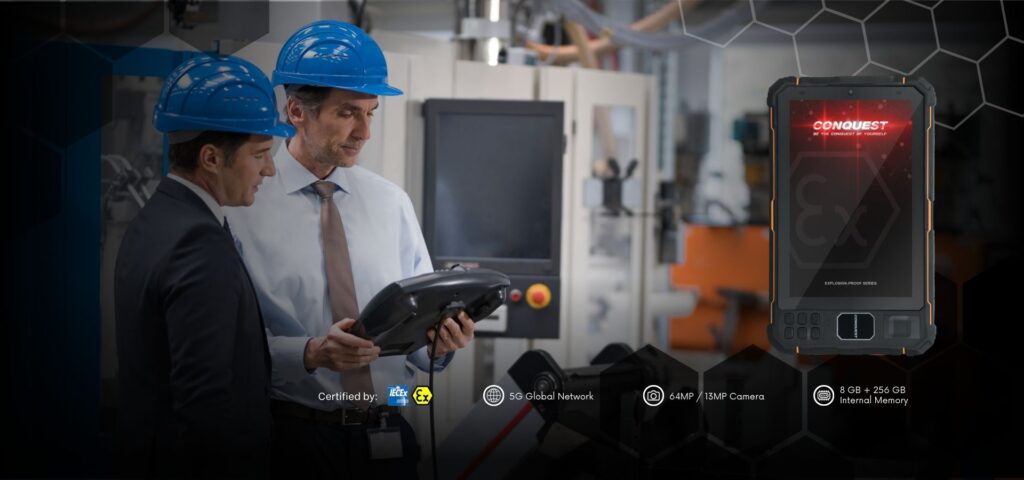
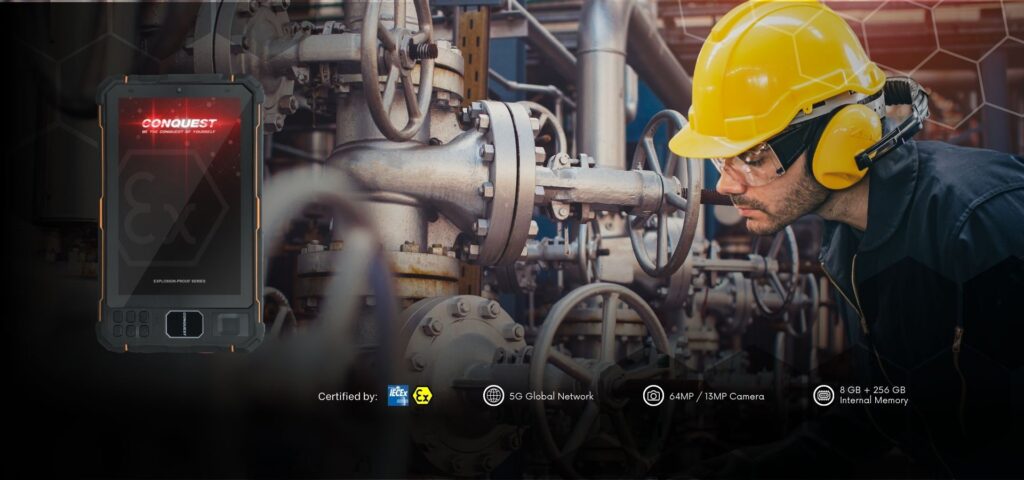
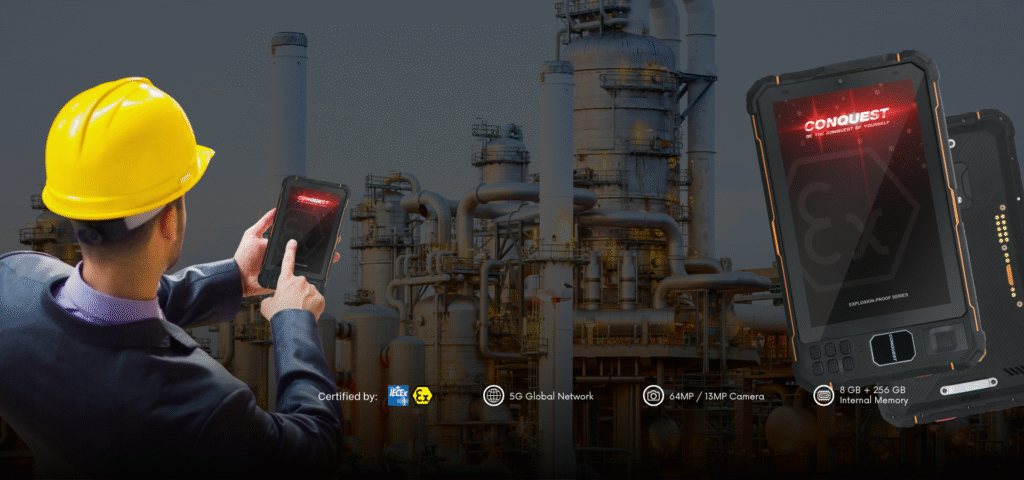
The Conquest EX201 smartphone is one example of cutting-edge intrinsically safe technology designed for the future of hazardous operations.
Intrinsically safe equipment is an essential component for ensuring safety in hazardous environments. Whether you’re working in oil & gas, firefighting, or mining, these devices help prevent accidents and maintain compliance with safety standards. Proactively investing in intrinsically safe equipment not only protects workers but also ensures smoother operations, compliance, and long-term cost savings.
Discover the Conquest EX series – rugged, ATEX & IECEx-certified smartphones engineered for explosive atmospheres.
Contact Conquest today for a free consultation or demo tailored to your operational needs.
Empower your team with safe, smart, and scalable solutions from the leaders in intrinsically safe mobile technology.
Intrinsically safe equipment is designed to ensure safety in hazardous environments by limiting the energy output to a level that cannot ignite flammable gases, dust, or vapors.
It is critical because it prevents accidents in environments where there is a high risk of explosion due to volatile gases or dusts.
Industries such as oil and gas, chemical manufacturing, mining, pharmaceuticals, and emergency services rely heavily on intrinsically safe equipment for safety.
The main benefits include enhanced safety, reduced downtime, cost savings, regulatory compliance, and greater reliability in hazardous environments.
Intrinsically safe equipment limits energy output to prevent ignition, while explosion-proof equipment contains any internal explosion to prevent it from spreading.
Common certifications include UL, ATEX, IECEx, and FM, which ensure the equipment meets safety standards for use in hazardous areas.
No, intrinsically safe equipment is best suited for environments where there is a risk of explosion due to the presence of flammable gases, dust, or vapors.
Maintenance should follow manufacturer guidelines, and regular inspections are necessary to ensure the equipment remains in safe working condition.
Conquest
replies in a minute
Any question related to conquest product
WhatsApp Us
🟢 Online | Privacy policy
WhatsApp us